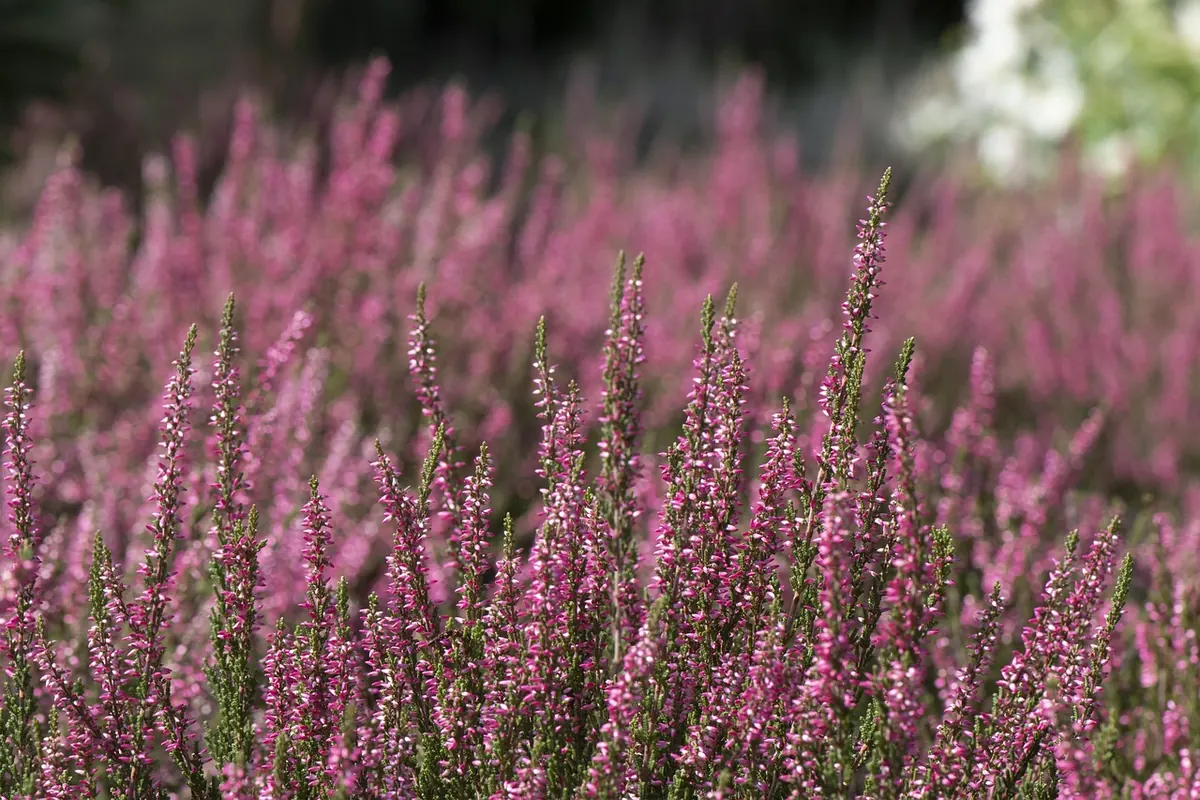
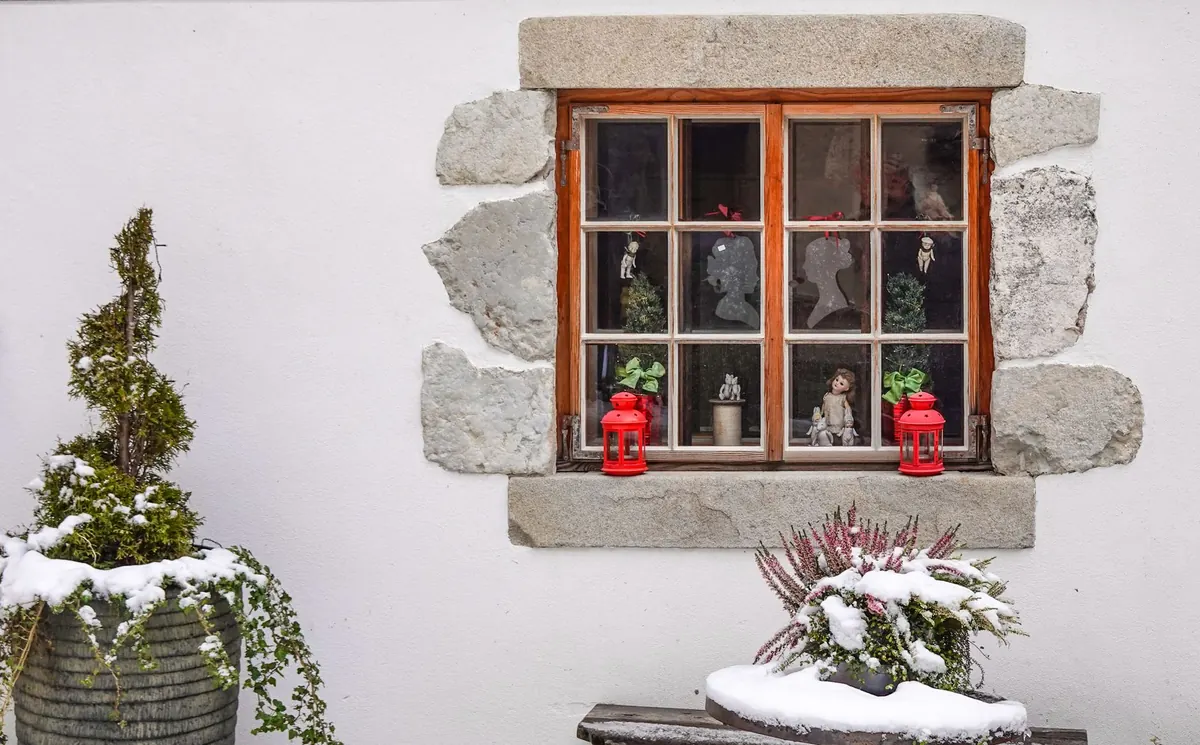
Best Heather Varieties for Containers and Small Gardens
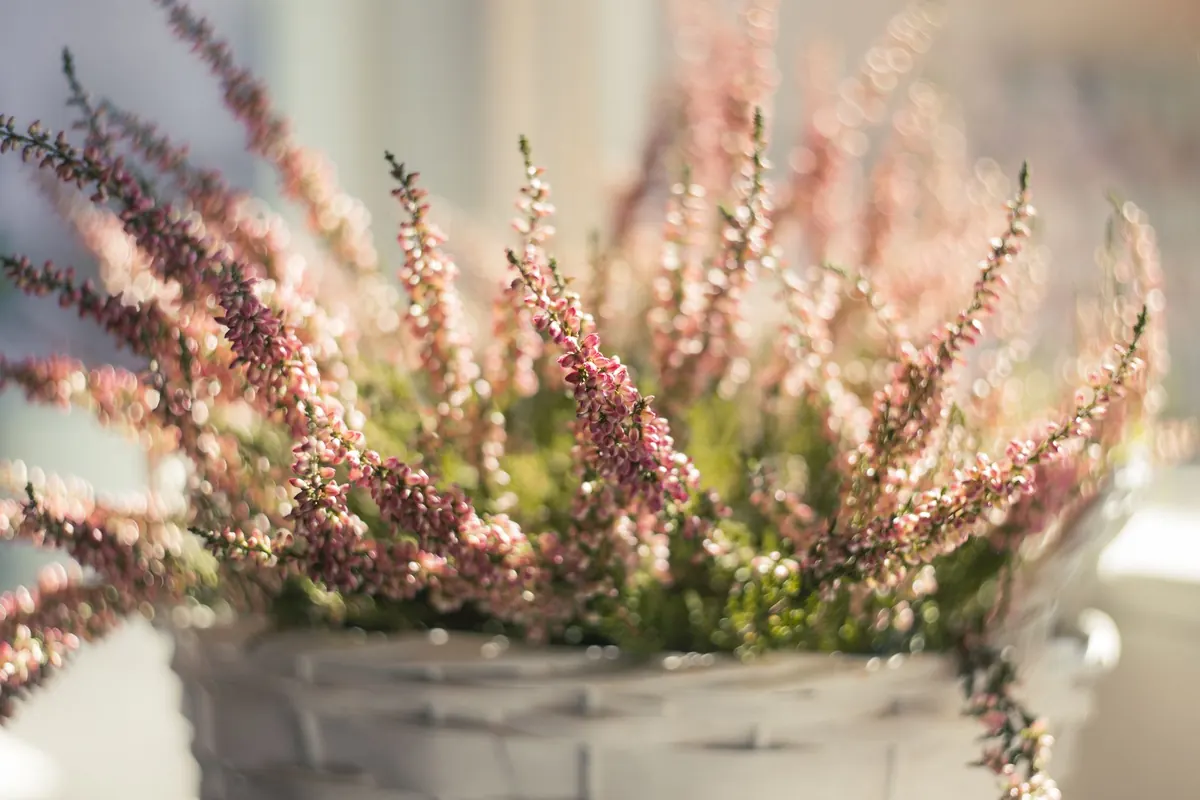
Heathers have an image problem. Most people picture a windswept moor and assume the plants want the same thing at home: acid peat, unlimited space and nobody fussing over them. In a container, the reality is kinder than that — provided you start with the right cultivar. A good compact heather will sit happily in a 30cm pot for years and hold colour for eight months of the twelve. A poor choice sulks, goes woody and ends up on the compost heap by its second summer. The difference is almost always variety, not effort.
Sort Out Your Soil Group First
Before names, learn the split. Calluna vulgaris, Erica cinerea, Erica tetralix and Daboecia cantabrica are acid-lovers and need ericaceous compost. Erica carnea and Erica darleyensis tolerate neutral to slightly alkaline conditions, which is why they thrive in so many British borders where the others fail.
In a pot you control the compost, so this matters most when it comes to water. In hard-water areas, tap water gradually pushes pot compost towards alkaline. That suits winter heathers and slowly weakens the acid-lovers. A rainwater butt solves the problem for pennies, and it is the single most useful thing you can do for a container of heathers.
Compact Callunas for Late Summer and Autumn
Calluna, the true Scottish heather, flowers from July into September and then does its best work with foliage through winter. For pots, choose the low, tight ones and skip anything described as vigorous.
- 'Silver Knight' — silver-grey foliage with mauve flowers; slow, dense and neat.
- 'Wickwar Flame' — gold in summer, turning orange and red as temperatures drop.
- 'Firefly' — green through summer, brick-red by December.
- 'Robert Chapman' — golden, then orange-red; a strong winter performer.
- 'Spring Torch' — cream and red new tips in spring, a good small border edger.
Bud-flowering types hold their colour longest
Cultivars such as 'Alexandra', 'Annemarie' and 'Marleen' produce flowers that never fully open. Instead they sit like beads of colour from late summer well into winter, and they keep a naturally rounded shape without any clipping. In a pot on a doorstep, that combination is hard to beat. Trim them lightly in spring, just below the spent flower spikes.
Winter and Spring: Erica carnea and Erica darleyensis
If you only grow one heather in a container, make it one of these. They flower from December through April, when nothing else in a small garden is doing anything, and they shrug off frost, wind and neutral soil.
Among the carnea types, 'Springwood White' is low, spreading and reliably white; 'Myretoun Ruby' and 'December Red' bring deep pink into the darkest weeks; 'Ann Sparkes' has golden foliage with pink flowers, which doubles the value of the plant. Erica darleyensis runs a little taller and flowers slightly later — 'Kramer's Rote' is compact and richly coloured, 'Furzey' has dark foliage, and 'White Perfection' does exactly what its name suggests.
These grow to roughly 20–30cm tall and spread wider than they climb, so give them a broad bowl rather than a narrow column. They also work as underplanting beneath a small shrub in a large pot, filling the surface where weeds would otherwise move in.
Small Heaths for Troughs, Balconies and Tight Borders
For a small stone trough or a window ledge, the smaller summer-flowering heaths earn their place. Erica cinerea is the finest-textured of the group and needs sharp drainage more than anything else — 'C.D. Eason' is a strong magenta, 'Velvet Night' a very dark purple, and 'Golden Drop' carries gold foliage with pale purple flowers. Wet winter roots kill more of these than cold ever will.
Erica vagans flowers late, from August into October, and is more forgiving of imperfect soil: 'Mrs D.F. Maxwell' has deep pink flowers, 'Lyonesse' is clean white, and 'Valerie Proudley' pairs golden foliage with white flowers. Daboecia cantabrica produces the largest flowers of any heath, opening from June and continuing into autumn — 'Praegerae' and 'Alba' are the two worth seeking out, and 'Bicolor' adds striped pink and white if you want something unusual. Give it shelter from cold, drying wind.
One outlier: Erica tetralix, the cross-leaved heath, actually likes damp ground. 'Alba Mollis' has silver-grey foliage and white flowers. It is the heather for a pot that never quite dries out, or a corner that stays wet.
Planting a Heather Container
- Choose a pot at least 30cm across for a single plant, 45cm for a group. Heather roots run wide and shallow, so width matters far more than depth.
- Cover the drainage hole with crocks or mesh and stand the pot on feet so it never sits in a puddle.
- Mix ericaceous compost with about a quarter grit or fine bark. The extra drainage prevents the rootball rotting through winter.
- Plant so the base of the foliage sits level with the compost surface. Burying the crown is a common and fatal mistake.
- Space plants 20–25cm apart. They will knit together within a season and shade out weeds themselves.
- Water in thoroughly, then mulch with bark, keeping it clear of the stems.
Care Through the Year
- Watering: aim for consistently moist, never bone dry and never waterlogged. Remove saucers in winter.
- Water quality: rainwater where you can, especially for callunas, cinereas and daboecia.
- Trimming: shear callunas in spring as new growth starts; trim winter heathers after flowering in April or May. Never cut back into old, leafless wood — it rarely regrows.
- Feeding: one light ericaceous feed in spring is plenty. Rich feeding makes soft, leggy plants.
- Repotting: every two to three years in spring, moving up one pot size and refreshing the compost.
Quick Combinations Worth Copying
- Winter doorstep bowl: Erica carnea 'Springwood White' with 'Myretoun Ruby', mulched with grey gravel.
- Autumn fire: Calluna 'Wickwar Flame' in front of 'Alexandra' for colour that lasts into December.
- Small trough: Erica cinerea 'Golden Drop' beside 'Velvet Night'.
- Late-summer pair: Daboecia 'Praegerae' with Erica vagans 'Lyonesse'.
- Narrow border edge: Calluna 'Spring Torch' at the front, Erica darleyensis 'Furzey' behind.
Three Pots to Start With This Season
Buy in flower if you possibly can, so you can see the colour rather than trusting a label. Supermarket and garden centre heathers sold as autumn bedding are usually unnamed bud-flowering callunas — cheap, but perfectly capable of living for years if you move them into ericaceous compost after Christmas and water them with rainwater.
Start with three pots: a winter-flowering Erica carnea for the doorstep, a bud-flowering calluna for autumn colour, and one small Erica cinerea for a sunny ledge. Keep them out of deep shade, keep the compost evenly moist, and resist the urge to tidy them with the shears in autumn. Trim in spring, water with rain, and these three will carry a small garden through the year with very little asked of you.
Photo: freestocks.org / Pexels