Heather for Winter Color: Best Varieties and Planting Tips
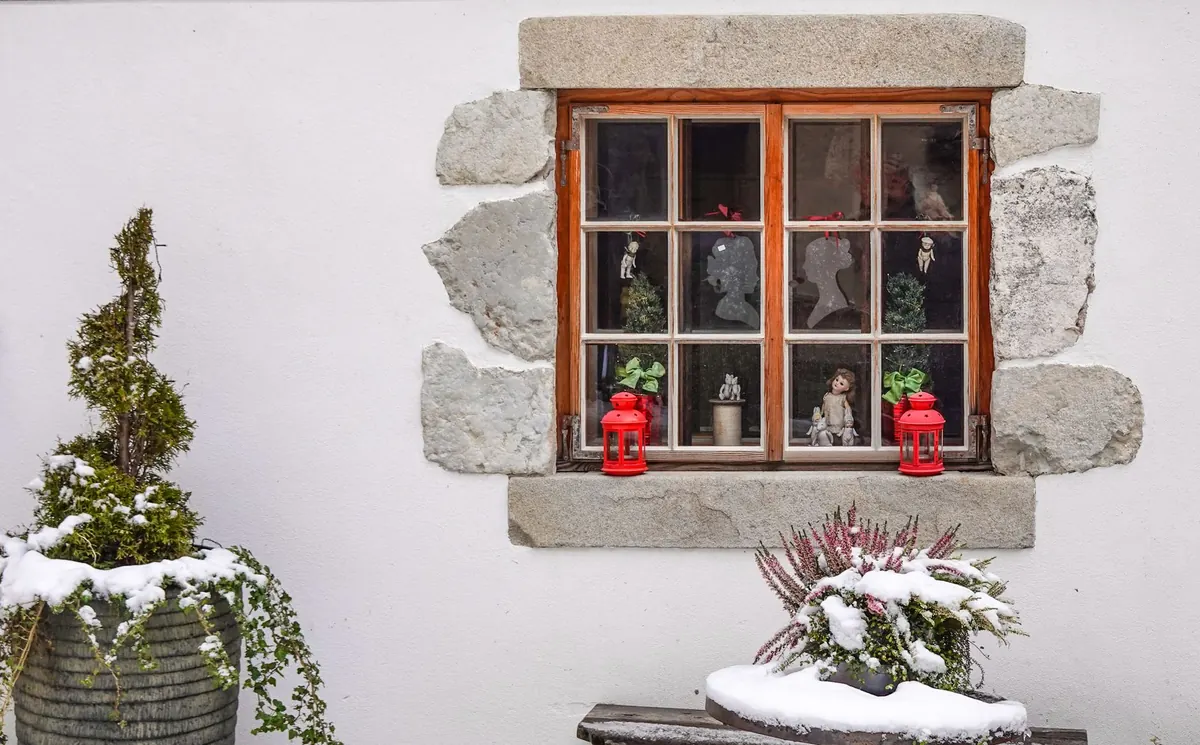
By January, most of the garden has settled into shades of grey and brown. Bark, evergreen leaves, the odd hopeful hellebore. Heathers are the plants that break that monotony, and they do it in two different ways: a handful of Erica species flower straight through the coldest months, while the Callunas hold foliage that turns gold, bronze, orange and near-red once temperatures drop.
The good news is that heathers are not fussy once they are established. The bad news is that most of them fail for the same two reasons: wrong soil and planting too deep. Get those right and you will have colour every winter for years.
Why Heathers Earn Their Place in Winter
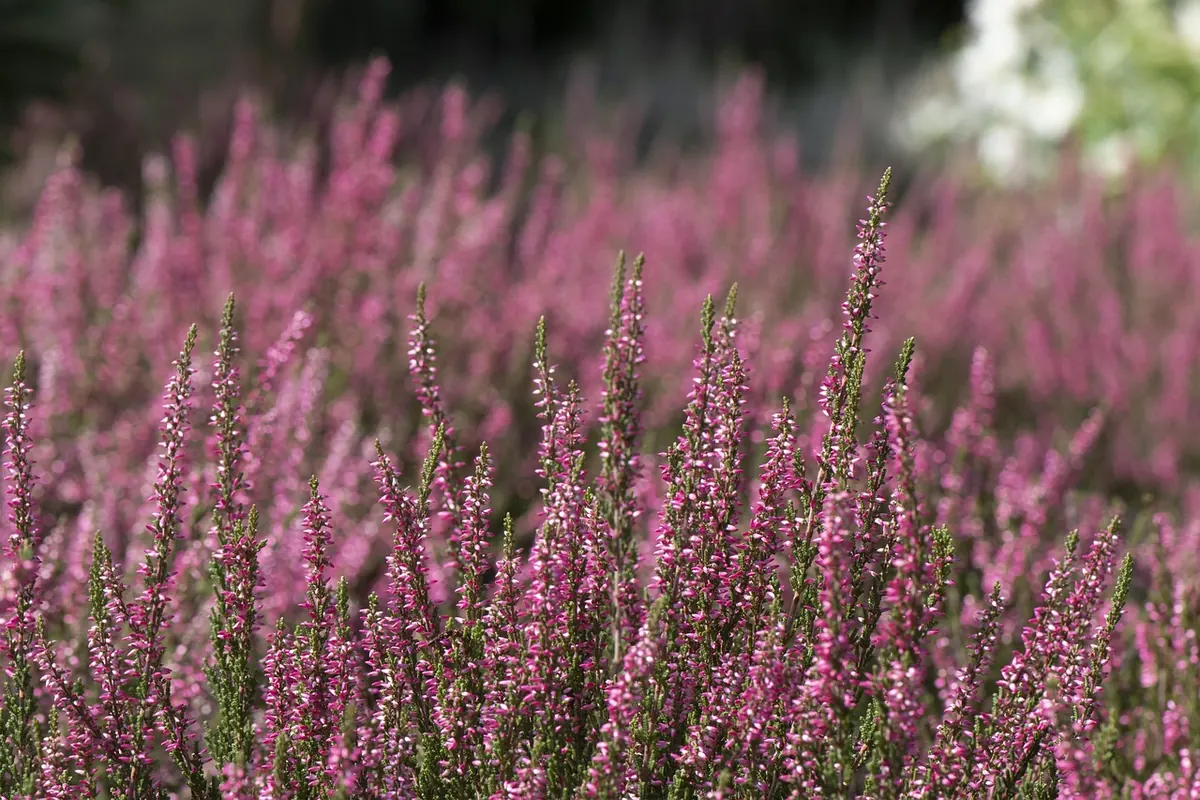
Winter colour from heather comes from two sources. The first is flower: winter heaths produce small, dense spikes that open over weeks rather than all at once, so a single plant can look good from November into March. On a mild, sunny day those flowers are also one of the few nectar sources available to early bees.
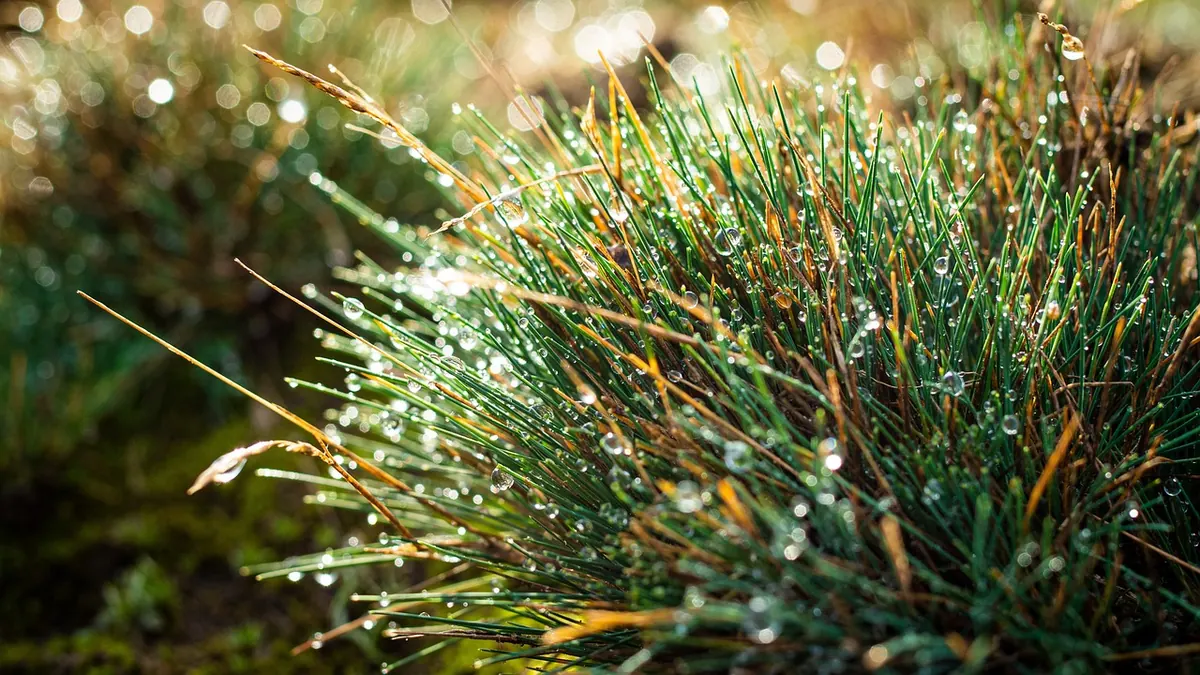
The second is foliage. Many Calluna cultivars colour up in response to cold, so the plant that looked plain green in August becomes the brightest thing in the border by December. That colour often deepens through January and fades again in spring, which makes it a seasonal feature rather than a permanent one.
Winter-Flowering Erica: The Backbone of the Cold Season
Winter heath (Erica carnea)
This is the reliable one. Low, spreading and happy in sun or light shade, Erica carnea starts flowering in midwinter and continues into early spring. It is also unusually tolerant of lime, which means it will grow in neutral or slightly alkaline soil where most heathers sulk and die. Look for 'Springwood White' for pure white flowers on fresh green foliage, 'December Red' for deep pink, and 'Vivellii' for richer colour and bronze-tinted winter leaves.
Darley Dale heath (Erica x darleyensis)
A hybrid between Erica carnea and Erica erigena, and slightly taller and more upright, which makes it easier to use behind lower plants. It flowers from late autumn to spring and also copes with lime. 'Kramer's Red' is a strong, dark pink; 'White Perfection' does what its name suggests; 'Silberschmelze' carries white flowers over silver-green foliage. These are the varieties I would choose first for a long, low winter hedge along a path.
Irish heath (Erica erigena)
Taller again, often reaching around 60cm or more, with a looser, more airy habit. It prefers neutral to slightly acid soil and a sheltered spot, since the flower spikes can be scorched by hard frost and wind. 'W.T. Rackliff' is white, 'Brightness' is a warm pink. Plant it where you can see it from a window, because it is at its best in late winter when little else is doing anything.
Foliage Heathers: Colour Without Flowers
Calluna vulgaris, the Scottish heather, flowers in summer and autumn, so it is not a winter bloomer. What it does offer is winter foliage. The new growth of many cultivars opens in bright shades in spring, deepens through summer and then fires up in cold weather.
There are also the bud-blooming Callunas, whose double flowers never fully open and so hold their colour on the plant well into winter. 'Peter Sparkes' is a good example, staying pink well past Christmas. Trim the faded flower spikes off in spring and the plant will look tidy again within weeks.
Varieties Worth Planting
- Erica carnea 'Springwood White' — white winter flowers, low and spreading, lime tolerant.
- Erica carnea 'December Red' — deep pink from early winter, good in a large group.
- Erica x darleyensis 'Kramer's Red' — rich colour over a long season, slightly taller.
- Erica x darleyensis 'Silberschmelze' — white flowers, silver foliage, useful for lifting dark plantings.
- Erica erigena 'W.T. Rackliff' — white, upright, best in a sheltered border.
- Calluna vulgaris 'Wickwar Flame' — foliage turns orange and red in cold weather.
- Calluna vulgaris 'Firefly' — brick-red winter colour on a compact plant.
- Calluna vulgaris 'Beoley Gold' — golden foliage that holds its colour through winter.
- Calluna vulgaris 'Peter Sparkes' — bud-blooming pink that lasts into the new year.
Planting Heathers Properly
Soil and site
Most heathers need acid soil, roughly below pH 6.5. If you are unsure, a simple soil test kit will tell you in a few minutes, and it is worth the effort before you buy a tray of plants. Callunas and most Erica species will not tolerate lime. Erica carnea and Erica x darleyensis are the exceptions and will grow in neutral to slightly alkaline ground.
Drainage matters more than richness. Heathers hate sitting in wet, heavy clay over winter, which is the single most common cause of failure. If your soil holds water, plant on a slight mound, fork in plenty of composted bark, and add grit to the planting hole. Full sun gives the best flowering and the strongest foliage colour; light shade is acceptable but plants will be looser.
Planting and spacing
- Water the pots thoroughly an hour before planting.
- Dig a hole wider than the rootball but no deeper — the top of the rootball should sit level with the soil surface or a fraction above it.
- Loosen the roots gently if they have spiralled around the pot.
- Backfill with a mix of garden soil and ericaceous compost, firming lightly.
- Space low growers about 30cm apart and taller types 45–60cm apart, so they knit together at maturity without smothering each other.
- Water in well and mulch with composted bark or leaf mould, keeping it clear of the stems.
Autumn and early spring are the best planting times, while the soil is moist and the plants are not under stress. In a container, always use ericaceous compost and raise the pot onto feet so water drains freely.
Care Through the Year
The main job is pruning, and the rule is simple: trim lightly, straight after flowering. Cut back the faded flower spikes and roughly a third of the previous year's growth with shears or hedge trimmers. Never cut into old, bare wood — heathers rarely shoot from it, and you will be left with a permanent bald patch.
Water newly planted heathers through their first dry summer; after that they are reasonably drought tolerant. An annual mulch of bark or leaf mould keeps the soil acidic and suppresses weeds. Avoid mushroom compost, which is often limy.
Heathers in Pots and Small Gardens
If you garden on a patio or balcony, winter heaths work well in wide, shallow containers. Use ericaceous compost, choose a pot at least 30cm across, and group three plants of different flower colours together. Silver-foliaged Callunas and white-flowered Erica carnea look particularly good against a dark pot.
In the open garden, pair heathers with hellebores, snowdrops, dwarf conifers and skimmia. The dark evergreen foliage of the conifers and skimmia sets off pale heather flowers far better than a plain background of grass or bare soil.
Start With a Small Planting
You do not need a whole heather bed to get the effect. A short run of Erica x darleyensis along a front path, or five Callunas grouped in a border where you can see them from the kitchen window, will carry the garden through the quiet months. Plant in autumn, keep them watered for the first year, and trim straight after flowering. That is the whole routine — and in return you get flowers and foliage colour when almost nothing else is offering either.
Photo: Magda Ehlers / Pexels