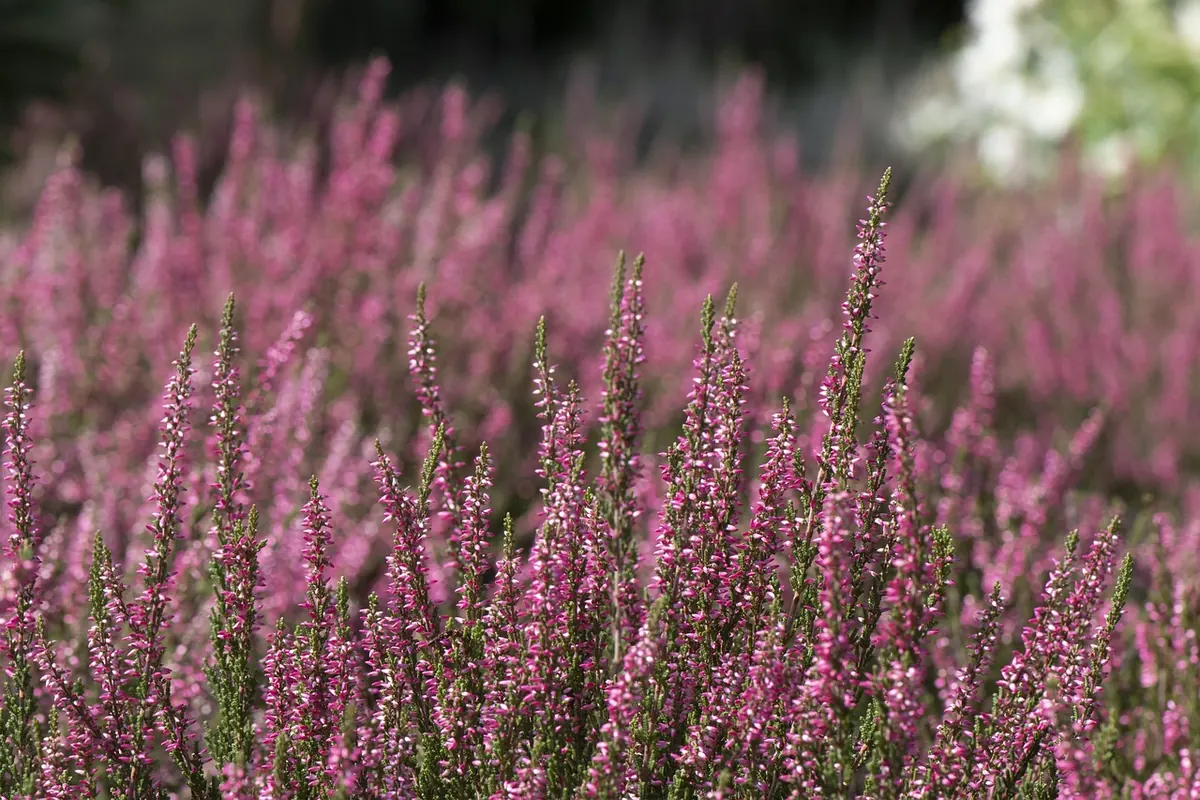
Why Is My Heather Turning Brown? Diagnosing Common Problems
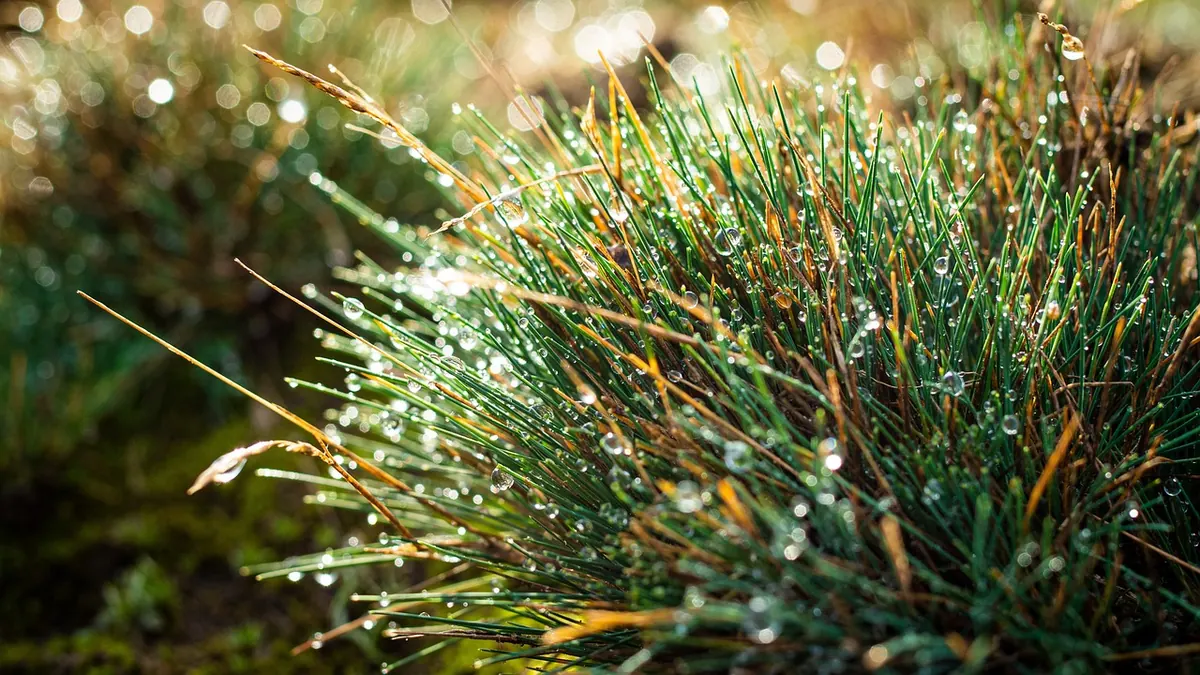
Brown patches in a heather bed look dramatic, but they are rarely a mystery you simply have to live with. Heather of every kind — Calluna, Erica, Daboecia — gives away a lot in the way it fails. Where does the browning start? Is the soil wet or bone dry? Did it happen after a hard winter or a hot spell? Answer those three questions and you are most of the way to a diagnosis you can act on this afternoon.
Rule Out Normal Colour Change First
Not all brown heather is sick heather. Summer-flowering Calluna holds its flowers for weeks, then the spent blooms fade to biscuit brown and sit on the plant well into winter. Look underneath: if the shoots below the dead flowers are still green and flexible, nothing is wrong. Give the plant a tidy-up with shears after flowering and it will look after itself.
Many varieties also change colour in cold weather, turning bronze, russet or deep purple between autumn and spring before greening up again. That is a feature of the cultivar, not a symptom.
How to tell dead flowers from real dieback
- Spent blooms: brown only at the tips, green growth beneath, stems bend without snapping.
- Dieback: browning creeps from the base or the crown outward, stems snap, and no new growth appears in spring.
- Winter bronzing: even colour across the whole plant, reversing as temperatures rise.
Root Rot: The Most Common Killer
If a heather collapses in wet ground, root rot is the first suspect. The classic culprit is Phytophthora, a soil-borne organism that thrives where drainage is poor. Affected plants wilt even though the soil is damp, and if you lift one you will find roots that are brown or black rather than pale and firm, often with a sour smell and a soft, dark crown.
Heavy clay, a planting hole that acts as a sump, containers standing in saucers of water, and mulch piled against the stems all invite it. So does replanting a new heather into the exact spot where an old one died.
What helps:
- Cut away dead top growth and check the roots before blaming the weather.
- Improve drainage with coarse grit or composted bark, and plant slightly proud of the surrounding soil so water runs off.
- In containers, repot into fresh ericaceous compost and raise the pot on feet.
- Do not replant into the same contaminated pocket. Move the planting or choose something that tolerates the conditions.
Drought and Dry Soil
Heather roots are fine and shallow, which makes established plants tough but new ones vulnerable. A heather that browns from the tips inward, with crisp foliage and dry soil a few centimetres down, is short of water — not diseased. The first summer after planting is when most losses happen, especially on sandy ground or against a sunny wall where heat reflects back.
Water deeply and less often rather than little and often, so moisture reaches below the root mass. A mulch of composted bark keeps that moisture in. Once plants are through their second summer they will cope with far less.
Scorch: Wind, Frost and Reflected Heat
Winter scorch is easy to mistake for disease. The plant browns on the side facing the prevailing wind, or across the top, while the sheltered side stays green. The cause is simple: frozen soil means roots cannot replace the moisture the wind and sun strip from the foliage. Bright sun on frosted leaves does the same damage.
Container heathers and plants in exposed, windy corners suffer most. A low windbreak, a generous autumn watering before the ground freezes, and a mulch to insulate the roots all reduce the risk. In summer, the same browning can appear where paving or a wall bounces heat onto the foliage.
Pests That Turn Heather Brown
Insects rarely kill heather outright, but they can leave it looking shabby for a season. Work through the likely candidates:
- Heather beetle: larvae strip foliage in spring, leaving grey-brown stems and a patchy, shorn look. Adults continue the damage in late summer. Plants usually recover; pick off what you can and let birds do the rest.
- Spider mites: fine webbing, pale speckling that turns bronze, worst in hot dry conditions and under eaves. Mist the foliage and avoid dusty, parched spots.
- Vine weevil: containers collapse suddenly because white, C-shaped grubs are eating the roots. Adults notch the leaf edges. Biological nematodes applied to moist compost in late summer or early autumn are the usual garden answer.
- Aphids and scale: clusters on soft new tips, followed by sticky residue and sooty mould. Squash or wash them off early.
Fungal Problems Beyond Root Rot
Damp, crowded plantings bring their own troubles. Grey fuzzy mould on dying shoots points to Botrytis, which moves in after wet, humid spells and often follows winter damage. A white dusting on shoot tips that later browns is powdery mildew, typically worse when roots are dry but the air is humid. Brown threads webbing across the soil surface suggest a web blight.
In all three cases the response is the same: cut out affected growth, bin it rather than composting it, thin the plants so air moves through, water at the base in the morning, and go easy on nitrogen feed that produces soft, vulnerable growth.
A Quick Diagnosis Checklist
- Brown flower spikes with green stems beneath: spent blooms. Clip after flowering.
- Soft black crown, brown roots, wet soil: root rot.
- Crisp brown tips, dry soil: drought.
- One side browned facing the wind: scorch.
- Stripped foliage on grey stems in spring: heather beetle.
- Speckling and fine webbing: spider mites.
- Sudden collapse in a pot, grubs in the compost: vine weevil.
- Grey fuzz or white dusting: fungal infection.
- Yellowing first, then browning, with poor growth: soil too alkaline. Most heathers need acid ground.
Bringing a Brown Heather Back
Be realistic about recovery. Heather does not regrow from old, woody stems, so a plant that is dead at the crown or more than a third brown is best replaced. Where the damage is confined to the tips and flowering stems, shear the plant back into green growth only after flowering has finished, feed lightly with an ericaceous fertiliser in spring, and mulch with composted bark.
Before you replant, fix the reason the first one failed. Break up compacted soil, add grit to heavy ground, plant on a slight mound, and choose Erica carnea or Erica x darleyensis for heavier soils, though even these hate standing water. Water thoroughly through the first two summers, keep mulch clear of the stems, and leave room between plants for air. Do that, and the next heather will stay green.
Photo: E2OMedia / Pixabay