Heather Hedge and Border Ideas for Low-Maintenance Landscaping
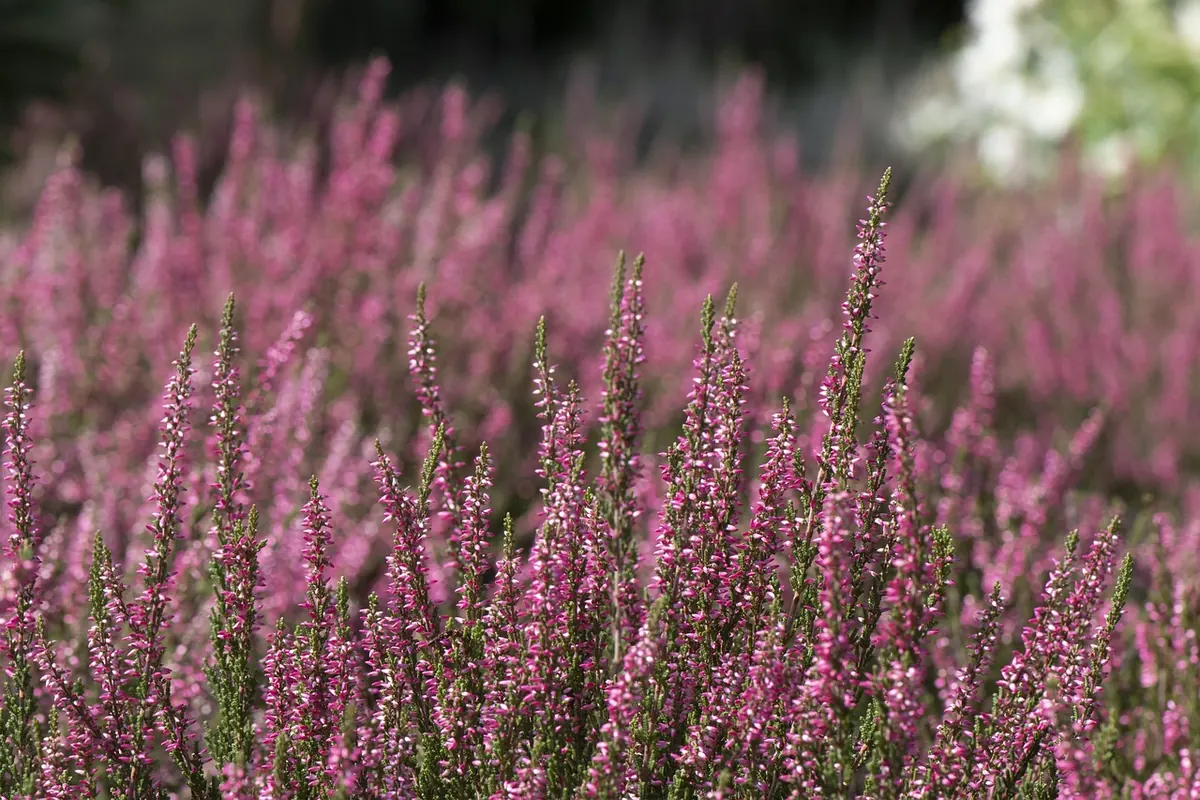
Heather has a reputation problem. The purple sweep of a moor looks magnificent from a distance, but a scrappy, leggy heather bed in a small garden is a sad sight, and too many gardeners have inherited one. That is usually a pruning and spacing problem rather than a fault in the plant. Handled well, heathers are some of the hardest-working low-maintenance plants you can put in the ground: dense enough to keep weeds down, compact enough to edge a path, and content in poor, free-draining soil where fussier shrubs sulk. The secret is choosing the right species for your soil and treating them a little more like hedging than like specimens.
Why Heather Earns Its Keep
Most garden heathers fall into three useful groups. Winter heath, Erica carnea and its hybrids, flowers from December into March and is the one group that tolerates alkaline soil. Summer and autumn heathers — Calluna vulgaris, Erica cinerea and Erica vagans — need acid ground and give you colour from June to October. Then there is Daboecia cantabrica, the Irish heath, which flowers on and off for months and makes a lovely loose edging. All of them are evergreen, all are compact, and none need feeding.
For a taller hedge, tree heath, Erica arborea, can reach two metres or more in mild, sheltered gardens. It is worth a try only where winters are kind; young plants dislike hard frost.
Planting a Low Heather Hedge
A heather hedge is an informal hedge. You can clip it into a soft line, but a rigid box shape belongs to yew and privet, not to heath. Aim for a band 30–60cm tall for the low species, planted as a single row along a path, a boundary or the front of a border.
Choosing plants for your soil
Test before you buy. If the soil is neutral or limy, stick to winter heath and forget the rest. If it is acid, sandy or peaty, you have the full choice. In heavy clay, either plant on a raised mound of grit and compost or grow heathers in containers instead.
Spacing and planting
Set plants 25–40cm apart, closer for a quick, dense line. Dig a hole slightly wider than the rootball, plant so the top of the rootball sits level with the soil, firm gently and water well. Autumn planting is ideal because the soil is still warm and rain does the watering for you; spring works too, provided you keep on top of watering through the first summer. Avoid planting into frozen or waterlogged ground.
Mass Plantings and Weed Suppression
The reason heather suppresses weeds is simple density. A closed carpet of foliage blocks light, and few weed seeds germinate in shade. That carpet only forms if you clear the ground thoroughly first and plant in generous groups rather than dotting single plants about. Laying a weed-suppressing membrane or a thick mulch of composted bark between plants for the first two years makes an enormous difference to how quickly the bed knits together.
- Work in drifts of five to nine plants of one cultivar, not one plant of nine cultivars.
- Repeat the same two or three cultivars across the bed to give the planting rhythm.
- Mix foliage colours — gold, silver, bronze and red-tipped — for interest in winter.
- Water new plants in dry spells for the first two summers, then leave them alone.
- Never mulch with mushroom compost or anything limy under acid-loving heathers.
Borders, Edging and Gravel Gardens
A low band of winter heath in front of taller shrubs is one of the easiest borders you can make: it stays green all year, flowers when nothing else does, and needs a trim once a year. Run the same heather along a gravel path and the contrast of fine foliage against stone does most of the design work for you. Underplant with snowdrops, crocus or Cyclamen hederifolium, which push up through the heather with no help at all.
In a gravel garden, heathers and dwarf conifers make a good pairing, and a few clumps of ornamental grass can lighten the texture. Keep the grasses in check, though — the vigorous ones will shoulder heathers aside within a couple of seasons.
A Year of Care in Ten Minutes
- Late winter to early spring: after the winter heaths finish, shear them over lightly with garden shears.
- Early spring: cut summer and autumn heathers before new growth starts, removing the old flower spikes.
- Throughout: remove the occasional weed seedling while it is small, before it gets a hold.
- Late spring: top up mulch around the edges of the bed if bare patches appear.
- Summer: water only in prolonged dry spells during the first two years.
One rule matters above all others: never cut back into old, bare, woody stems. Heathers do not reshoot from bare wood, and a hard chop leaves you with a stump that will never fill in. Keep the shears shallow, taking the spent flowers and the tips of the current season's growth.
Start With One Bed
If you are new to heathers, do not replant the whole garden. Choose one sunny border, clear it properly, improve the drainage if you need to, and plant a drift of a single cultivar. Add a second cultivar alongside it the following year once you can see how the first has settled. Get the soil right, plant close, shear once a year, and you will have a border that looks after itself for years with barely any attention beyond the occasional trim.
Photo: Gekonek / Pixabay