Heather Care Calendar: Seasonal Tasks for Healthy Plants
Heather has a reputation for being tough, and mostly it earns it. Plant it in the right soil, in sun, and it will shrug off wind, salt and drought once it has settled in. But tough is not the same as needs nothing. The difference between a tight, flower-covered cushion and a leggy, bare-centred clump is usually a handful of small jobs done at the right moment — a prune here, a mulch there, and knowing when to leave the plant alone altogether.
What follows is a working calendar for the garden heathers most of us grow: winter-flowering Erica carnea, summer-flowering Calluna vulgaris and Erica cinerea, and the long-blooming Irish heath, Daboecia cantabrica. Timings shift with your climate, so treat the months as prompts rather than deadlines.
Winter: Protect the Roots, Not the Foliage
From December to February, heathers in the ground need almost nothing from you. Feeding now is wasted and can push soft growth into the cold. Pruning now is worse: you open a wound that will not heal until spring, and on winter-flowering types you cut off the buds you have been waiting for.
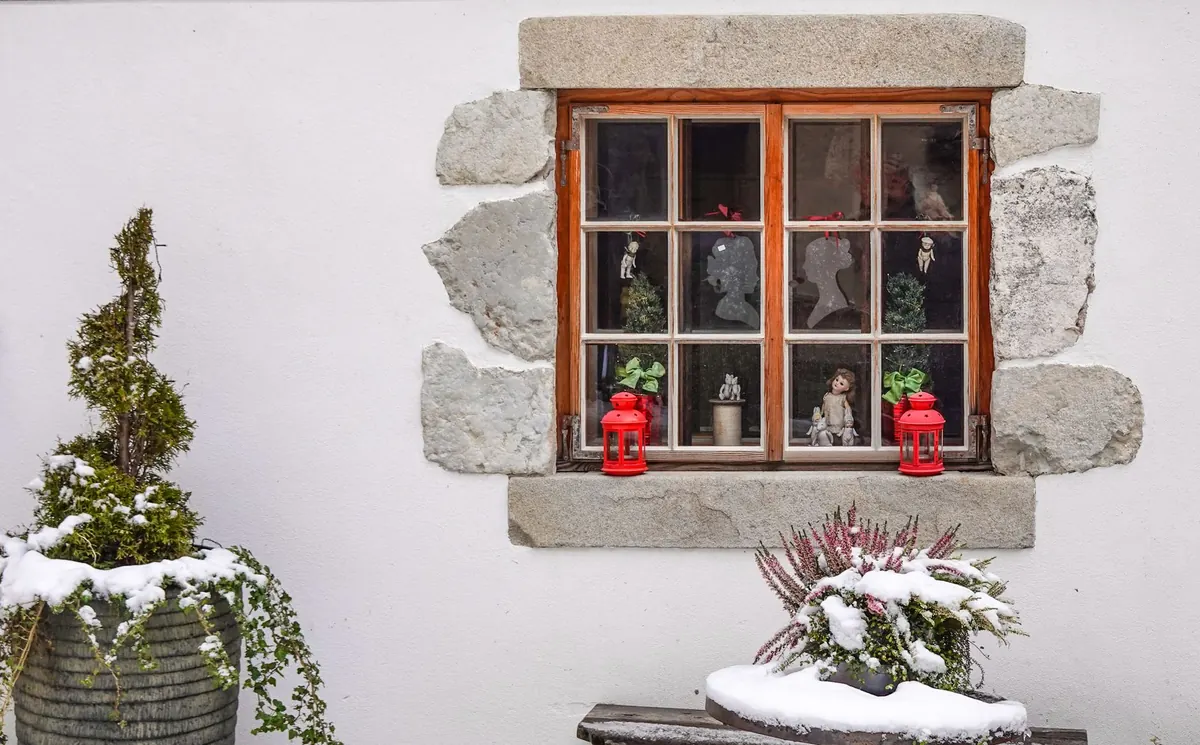
The plants that do need attention are in pots. Compost freezes faster than garden soil, thaws unevenly, and can sit waterlogged for weeks. Three moves cover most of it:
- Get pots off the ground. Pot feet, bricks or a couple of battens let water drain and stop roots sitting in a puddle.
- Group and shelter. Clustering containers against a house wall or in a cold frame gives mutual protection from wind and hard frost.
- Wrap the pot, not the plant. Bubble wrap or hessian around the container insulates the rootball while leaving foliage open to light and air.
Water sparingly on mild days if the compost feels dry. Evergreen foliage keeps losing moisture to wind even when roots cannot draw from frozen compost, so a dry winter pot is more dangerous than a cold one. Knock heavy snow off with a soft broom to stop branches splaying, and firm back any plant lifted by frost heave.
Early Spring: Prune Winter Heathers, Plant New Ones
As Erica carnea finishes in March or April, cut it over with shears. Take the spent flower spikes and roughly a third of last year's growth, aiming to leave a neat dome. The crucial rule for almost every heather: never cut into old, bare, brown wood. It will not reshoot, and you will be left with a permanent hole in the plant. If a clump has already gone bare in the middle, lift and replant rooted pieces from the edges instead of trying to renovate it.
This is also the best planting window of the year. The soil is warming, moisture is still reliable, and roots have a full season to establish. Space plants 30–45cm apart for a carpet that knits together in two or three seasons; closer if you want instant cover and don't mind thinning later.
Give the first feed only when you see new growth, and keep it gentle. A diluted ericaceous feed at half the recommended strength is plenty. Heathers are light feeders, and rich feeding produces floppy, short-lived growth rather than more flowers.
Late Spring: Mulch, and Keep the Soil Acid
May and June are for mulching. Spread 5–8cm of pine bark fines, composted bark or leaf mould around the plants, keeping it clear of the crowns so stems stay dry. Mulch while the ground is damp, after it has warmed, and you will smother most weed seedlings and hold moisture through summer.
What you must not use matters as much as what you do. Heathers need acid conditions, so no mushroom compost, no spent hops, no lime, and no bonfire ash around the roots. If your soil is neutral or alkaline, grow heathers in raised beds or containers of ericaceous compost rather than fighting the ground.
Watch soft new growth for aphids now. A firm jet of water from a hose dislodges most of them, and heathers are rarely troubled badly enough to need anything stronger.
Summer: Watering and the Main Prune
Established heathers in the ground are genuinely drought-tolerant, but newly planted ones are not. Water them deeply once or twice a week through dry spells in their first summer, and check containers daily in hot weather — they can dry out in a single afternoon.
Late summer is pruning time for Calluna and Erica cinerea, done as the flowers fade rather than in autumn. Shears or hedge trimmers, run lightly over the top, removing the flower spikes and a little of this year's growth. Aim to leave the plant slightly domed. Trim too late and the new shoots will not harden before frost.
Daboecia is the exception: deadhead it through the season to keep flowers coming, and save any harder trim for spring. In hot, dry spells, look for fine webbing and mottled foliage — spider mite — and raise humidity around affected plants with a daily spray of water.
Autumn: The Second Planting Window
September to November is nearly as good as spring for planting, and better in mild, damp gardens where roots keep growing through winter. Finish any pruning by early October so new growth has time to toughen.
Clear fallen leaves from around crowns. Wet leaf litter in mild weather is exactly what grey mould likes, and heathers sitting in it will thin out over winter. Check that drainage holes in pots are clear, empty saucers so compost never stands in water, and stop feeding entirely. Soft growth going into a cold spell is a liability, not a bonus.
The Year at a Glance
- Winter: no feed, no prune; protect pots, water sparingly on mild days.
- Early spring: prune winter heathers, plant, start light ericaceous feeding.
- Late spring: mulch with acid material, weed, watch aphids.
- Summer: water new plantings and containers, prune summer heathers after flowering.
- Autumn: plant, clear leaves, tidy drainage, stop feeding.
Five Habits That Matter Most
If you remember nothing else: plant in acid, free-draining soil in full sun; never cut into old brown wood; mulch with bark or leaf mould, never with anything limy; water new plants and pots properly through their first year; and prune summer heathers in late summer, not autumn. Get those right and your heathers will reward you for years with little more than an occasional tidy-up.
Photo: GAIMARD / Pixabay