How to Prune Heather Without Killing It: Timing and Techniques
How to Prune Heather Without Killing It: Timing and Techniques
Heather rewards a little annual attention. Leave it alone for years, and it can turn into a woody, bare-legged tangle with flowers only at the tips. Prune it at the right moment, however, and it stays dense, colourful, and long-lived. The trick is knowing which heather you have. A winter-flowering Erica carnea and a summer-flowering Calluna vulgaris do not want the same treatment on the same date. Get the timing and cutting height right, and pruning becomes a quick late-winter or post-flowering job rather than a rescue mission.
Think of pruning as maintenance, not butchery. Heathers are naturally tidy, low-growing shrubs, but they build up old, leafless wood at the base over time. A light annual trim keeps that centre from opening up and encourages fresh side shoots. Skip it for five years, and you may find a plant that is green only at the outer edges and impossible to bring back without drastic measures. The good news is that most heathers in gardens are forgiving if you work with their flowering cycle rather than against it.
Why Heather Turns Leggy Without Pruning
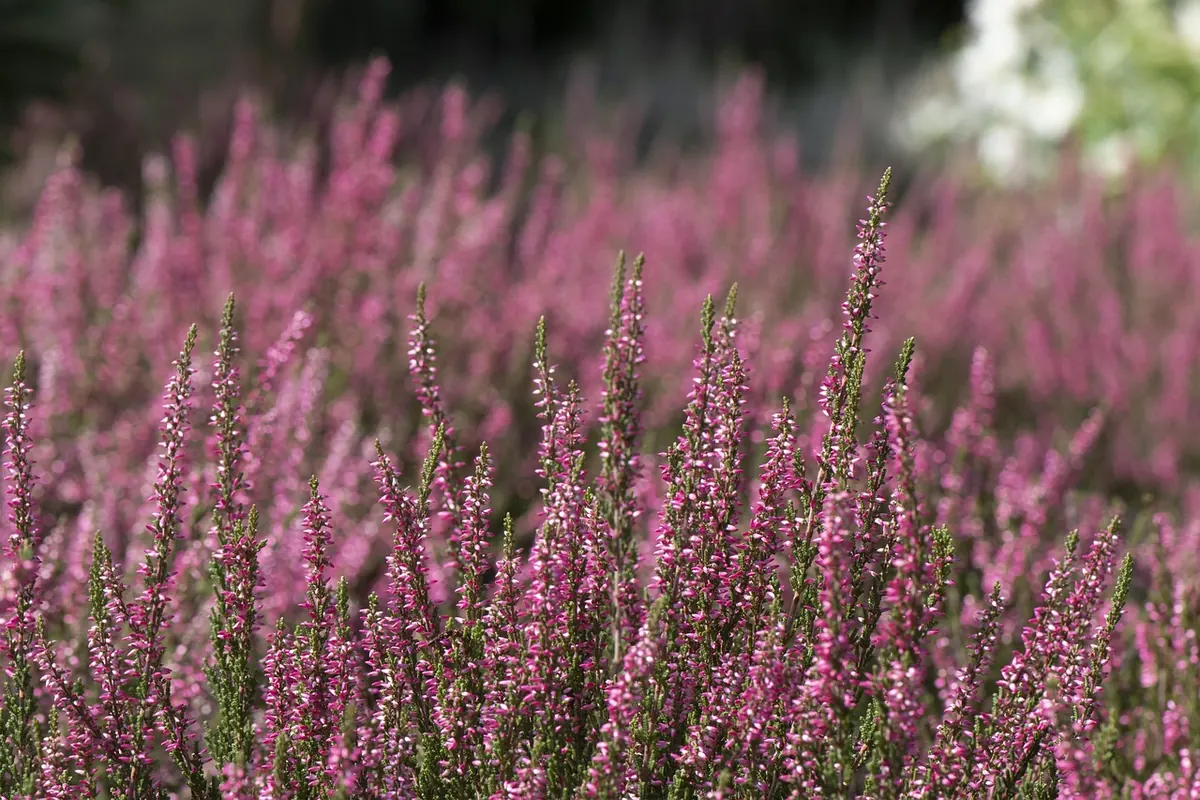
Heather grows outward from the tips, not from the base. Each year, new shoots extend from the ends of the previous year’s growth, while the older stems inside the plant lose their leaves and harden into brown wood. Without pruning, the plant becomes a ring or mound of fresh growth around a dead-looking centre. Flowers still appear, but they sit only on the outer edges, and the plant loses the dense, carpet-like habit that makes heather so useful in borders, rock gardens, and heather beds.
A yearly cut removes the spent flower heads and a little of the stem behind them. That simple action pushes energy into side shoots, which then carry next season’s flowers. It also improves air circulation, reducing the risk of fungal problems in damp weather. In exposed gardens, a compact heather is less likely to rock loose in the wind than a tall, sprawling one.
First, Identify the Heather
Heather is a broad name. In gardens it usually means one of three groups: Calluna, Erica, and Daboecia. Each has its own flowering season, and that season tells you when to prune.
- Calluna vulgaris (Scotch heather, ling): summer to autumn flowers. Prune in early spring before new growth starts.
- Erica carnea (winter heath): winter to early spring flowers. Prune immediately after flowering.
- Erica cinerea (bell heather): summer flowers. Prune after flowering in late summer or early autumn.
- Erica vagans (Cornish heath): late summer to autumn flowers. Prune in spring, after the worst frosts, or just after flowering in a mild garden.
- Daboecia cantabrica (Irish heath): summer to autumn flowers. Prune in early spring; it flowers on new wood and can be cut back fairly hard.
- Erica arborea (tree heather): spring flowers. Prune after flowering to shape and remove spent heads.
If you are not sure which one you have, watch it for a year. Note when it flowers and whether the flowers come on last year’s stems or on fresh growth. That observation will tell you more than any label lost in the pot. You can also look at the foliage: Calluna has tiny, scale-like leaves, while most Erica species have short, needle-like leaves. Daboecia usually has larger, broader leaves and bigger, bell-shaped flowers.
Flowering Wood vs. Old Wood
Before you make a cut, learn to tell new growth from old wood. New growth is green, soft, and leafy. Old wood is brown or grey, bare, and brittle. Most heathers will not produce new shoots from old, leafless wood, so the safe zone is the green growth and the stems just below the spent flowers. If you cut into the brown centre, you may leave a permanent gap that never fills in. This is the single most important rule in heather pruning: cut back to green, not into the brown.
Annual Pruning Windows
The basic rule is simple: prune after flowering if the plant flowers on old growth, and prune in early spring if it flowers on new growth. In practice, most heathers fall into two camps: those pruned after flowering and those pruned in early spring. Here is how to apply that rule.
- Winter and early-spring flowering heathers: Prune immediately after the flowers fade, usually from late winter to mid-spring. This group includes Erica carnea and Erica arborea. Do not wait until summer, because you will cut off the buds that should flower next winter.
- Summer and autumn flowering heathers: Prune either immediately after flowering or in early spring before new growth begins. This group includes Calluna vulgaris, Erica cinerea, Erica vagans, and Daboecia cantabrica. For Calluna, early spring is usually best. For Erica cinerea, late summer after flowering is ideal. For Daboecia, early spring suits its new-wood flowering habit.
If in doubt, prune immediately after flowering. That is the safest default because you can see exactly which stems have flowered. The exception is Calluna: if you prune it right after autumn flowering, you may leave it exposed to winter damage. Wait until early spring instead.
Rule of thumb: if it flowers in winter or spring, cut it after flowering. If it flowers in summer or autumn, cut it in early spring or immediately after the flowers fade, depending on the species.
How to Make the Cut: Techniques That Keep Heather Compact
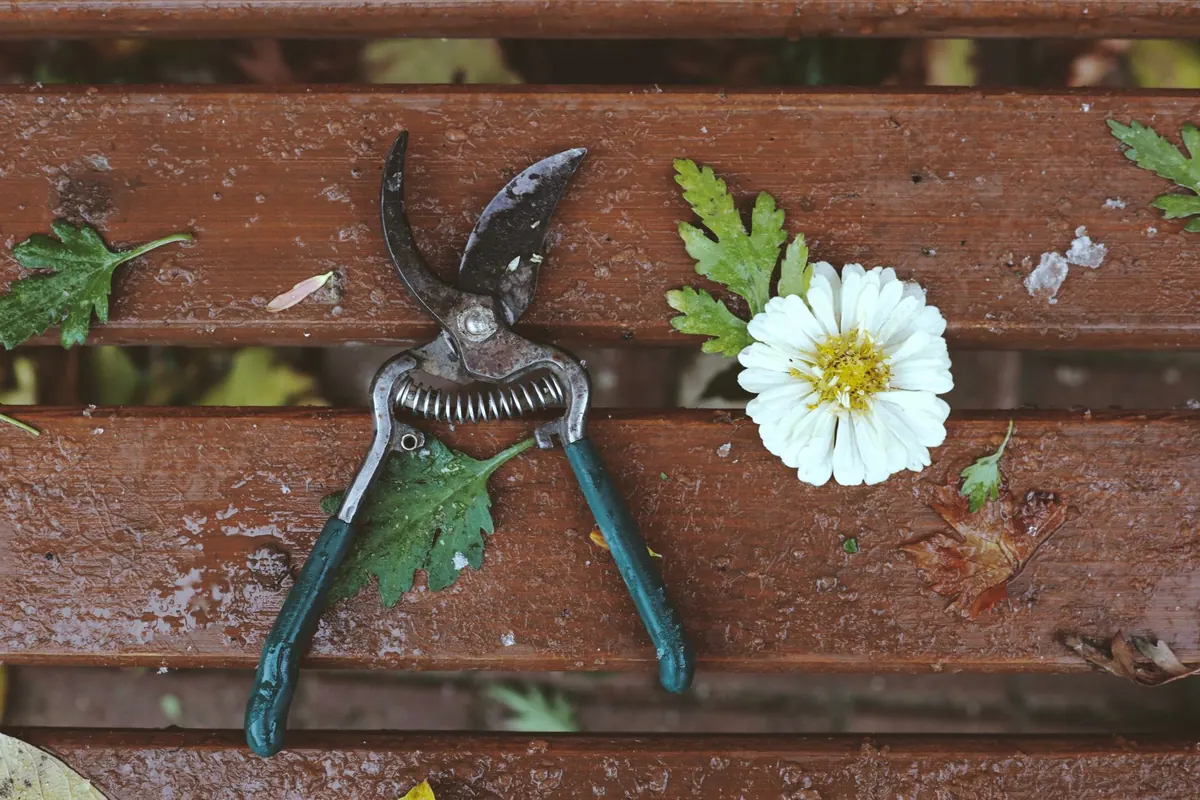
Use sharp bypass secateurs for small plants and shears or a hedge trimmer for large sweeps. Clean your tools with alcohol or a garden disinfectant before and after use, especially if you are pruning several plants. Blunt or dirty blades crush stems and invite disease. The aim is not to scalp the plant but to remove the spent flowers and a little of the current year’s growth.
Cut back the flowered stems to just above the previous year’s growth. As a guide, remove about one-third of the current year’s growth. If the plant is young and vigorous, you can take a little more. If it is old or slow-growing, take less. Always cut to a side shoot or leaf bud, ideally one that is facing outward, so the new growth fills the centre rather than crowding it.
- Light annual trim: Removes spent flowers and a little green stem. Ideal for Erica carnea after flowering and for keeping neat dwarf varieties in shape.
- Moderate trim: Cuts back flowered shoots by one-third to one-half. Good for Calluna in early spring and for Daboecia, which can be cut fairly hard.
- Hard renovation: Only for overgrown plants that still have leafy side shoots low down. Do it in stages, never all at once.
If you are shearing a hedge or a large heather bed, keep the blade parallel to the ground or follow the natural dome of the plant. Avoid cutting a flat top, which can look severe and may expose the bare centre. After trimming, the plant should look slightly uneven but still green. If you see mostly brown stems, you have gone too far.
The Deadly Mistake: Cutting Into Old Wood
Most heathers do not regenerate from old, leafless wood. That is why you should never cut a leggy heather back to the ground in one go. The plant may not die immediately, but it will not produce new shoots from the bare stumps, leaving a permanent bald patch. If you inherit an overgrown heather, renovate in stages: in year one, cut one-third of the oldest stems back to a low, leafy side shoot. Repeat in year two and year three. If there are no leafy side shoots at all, the plant is probably too old to renovate and is better replaced.
Calluna is a partial exception. It can sometimes reshoot from older wood, especially if it is healthy and growing in poor, well-drained, acidic soil. Even so, do not rely on it. A staged cut is safer than a drastic one. For Erica carnea and Erica cinerea, assume there will be no regrowth from old wood and prune gently every year instead.
Aftercare: What to Do After Pruning
Pruning is stressful, even when it is done correctly. Water the plant if the soil is dry, but avoid waterlogging; heathers hate sitting in wet, heavy soil. Apply a mulch of composted bark or leaf mould around the plant, keeping it a few centimetres away from the stems. Do not feed heavily. Heathers are adapted to lean, acidic soils, and rich feeding can make them soft, floppy, and short-lived. A light sprinkle of ericaceous fertiliser in spring is usually enough.
If you prune in late summer, make sure the plants have time to harden new growth before the first frost. In cold gardens, delay autumn pruning until early spring. If you prune in spring, watch for late frosts, which can damage soft new shoots; a loose covering of fleece is useful in exposed spots.
Renovating an Overgrown Heather
If your heather is a woody mound with flowers only at the edges, you have three options. First, try a staged renovation as described above. Cut back the oldest third of the plant to a low, leafy side shoot, then repeat over the next two or three years. Second, consider propagation. Heathers can be increased by layering or by taking cuttings from new growth in summer. If the old plant still has some vigorous outer stems, you can use those to grow replacements before removing the parent. Third, replace it. Sometimes replacement is the kindest option, especially for old Erica cinerea or Erica carnea, which rarely reshoot from old wood. If you replace, improve the soil with organic matter and plant a young, vigorous heather in the same spot. Use the old plant as a lesson: start annual pruning now.
Quick Seasonal Calendar
- Late winter to early spring: Prune Calluna vulgaris, Daboecia cantabrica, and Erica vagans after the worst frosts.
- Immediately after flowering in spring: Prune Erica carnea and Erica arborea.
- Late summer to early autumn: Prune Erica cinerea after flowering.
- Anytime: Remove dead, damaged, or diseased stems. This is always safe and helps keep the plant healthy.
Common Mistakes and Troubleshooting
- Cutting too low: If you see only brown wood, stop. You have reached old wood. Raise the cut next time and leave the bare stems alone.
- Pruning at the wrong time: Cutting winter heather in autumn removes flower buds; cutting summer heather in late spring removes the current season’s flowers.
- Using blunt tools: Crushed stems invite disease and dieback. Sharpen secateurs and shears regularly, and clean them between plants if disease is present.
- Pruning wet foliage: This spreads fungal disease. Wait for a dry day, especially in humid climates.
- Overfeeding: Rich soil makes heathers soft and short-lived. They prefer lean, acidic, well-drained ground.
- Pruning too late in autumn: New growth may not harden before winter. In cold areas, leave autumn-flowering heathers until early spring.Photo: Zeynep Gül Ceylan / Pexels